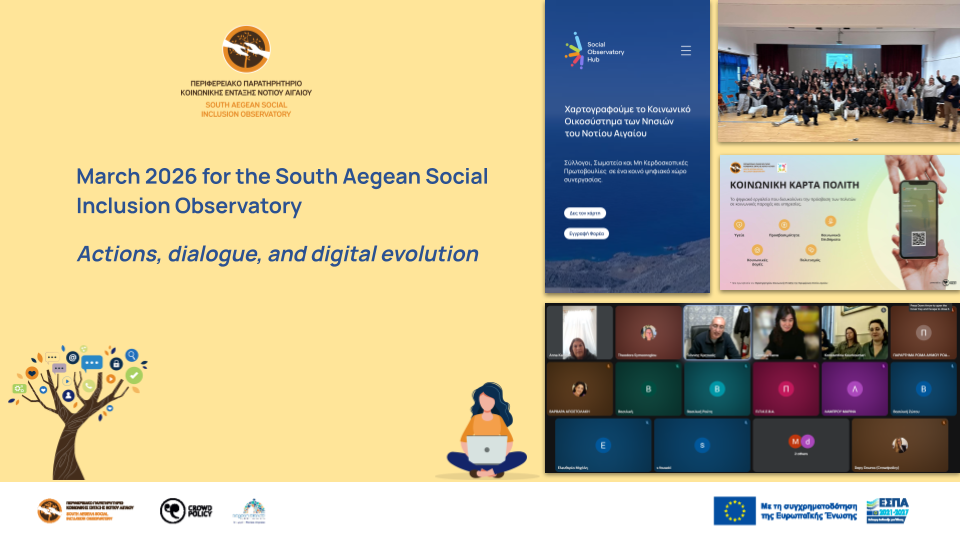
March is a particularly dynamic month for the South Aegean Region’s Social Inclusion Observatory, featuring actions that strengthen public dialogue, the participation of local communities, and the utilization of technology for the benefit of social cohesion and sustainable development.
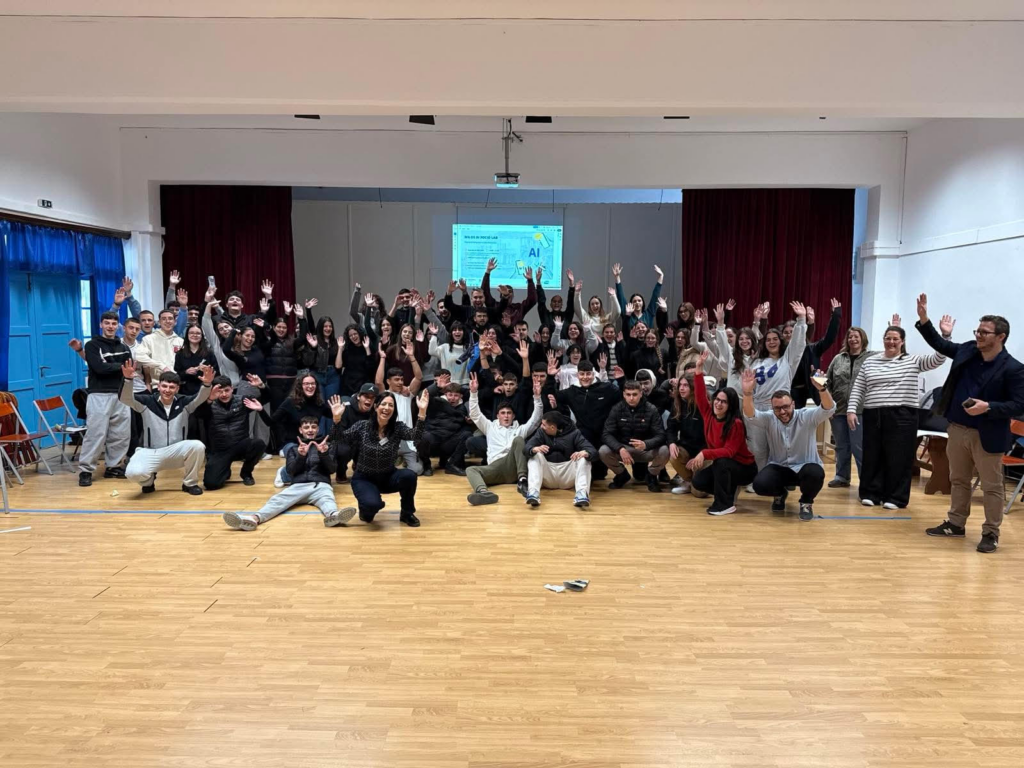
At the beginning of the month, on March 1 and 2, 2026, the Milos AI Socio Lab took place in Milos-an initiative for information and experiential training centered on Artificial Intelligence and its applications in local government and society. The initiative included an open informational meeting with the participation of the municipal authority and local stakeholders, as well as an interactive workshop with high school students, who worked on scenarios for utilizing AI to address local needs. The action highlighted the importance of linking technology with education and local development.
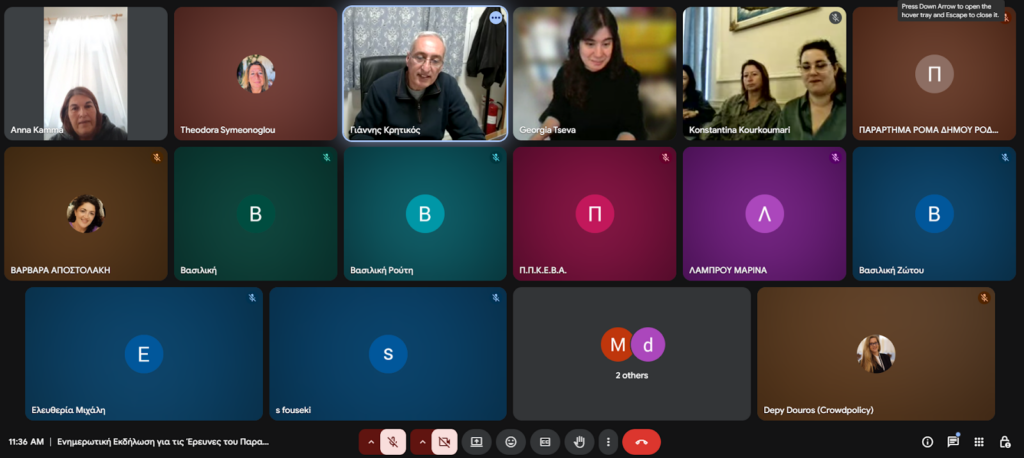
Similarly, on March 16, 2026, the Observatory organized an online informational meeting titled ‘Youth, Employment, and Entrepreneurship in the South Aegean,’ with the participation of Municipalities, Community Centers, and partners. During the meeting, key findings from a relevant study were presented, highlighting challenges such as housing, the seasonality of employment, and limited opportunities for young people, while also emphasizing the need to utilize data for designing effective policies.
Alongside these dialogue initiatives, the Observatory is systematically investing in the development of digital tools that enhance networking and citizen participation. Within this framework, the ‘Social Ecosystem’ is being developed-a new digital platform that brings together associations, unions, NGOs, Social Cooperative Enterprises (SCEs), and Civil Society organizations in the South Aegean.
Through the platform, organizations can create their own profiles and showcase their actions and events, thereby strengthening networking and cooperation. Already, more than 50 organizations from the Cyclades and the Dodecanese have joined, while participation remains open and free of charge, with the aim of further expanding the ecosystem.
The upgrade of the Social Map with the addition of a new interactive accessibility feature is also of particular importance. Through this function, citizens themselves now have the opportunity to record and report, via a special form, whether specific spaces and locations are accessible or not. This participatory approach enhances the collection of valuable field data, contributing to the mapping of accessibility across the islands and supporting the design of more inclusive policies and interventions.
At the same time, the Observatory’s digital assistant has been updated using Generative AI technologies, offering more sophisticated, immediate, and personalized information to users. This new version allows for a better understanding of citizen queries and provides more targeted answers, enhancing the usability of digital services and improving the overall interaction experience with the Observatory.
Overall, the March initiatives reflect the Observatory’s strategic direction: connecting knowledge with action, participation with technology, and local development with innovation. Through actions, research, and modern digital solutions, the Observatory continues to strengthen its role as a key pillar of support for island communities, contributing to the formation of a more inclusive and sustainable future for the South Aegean.

