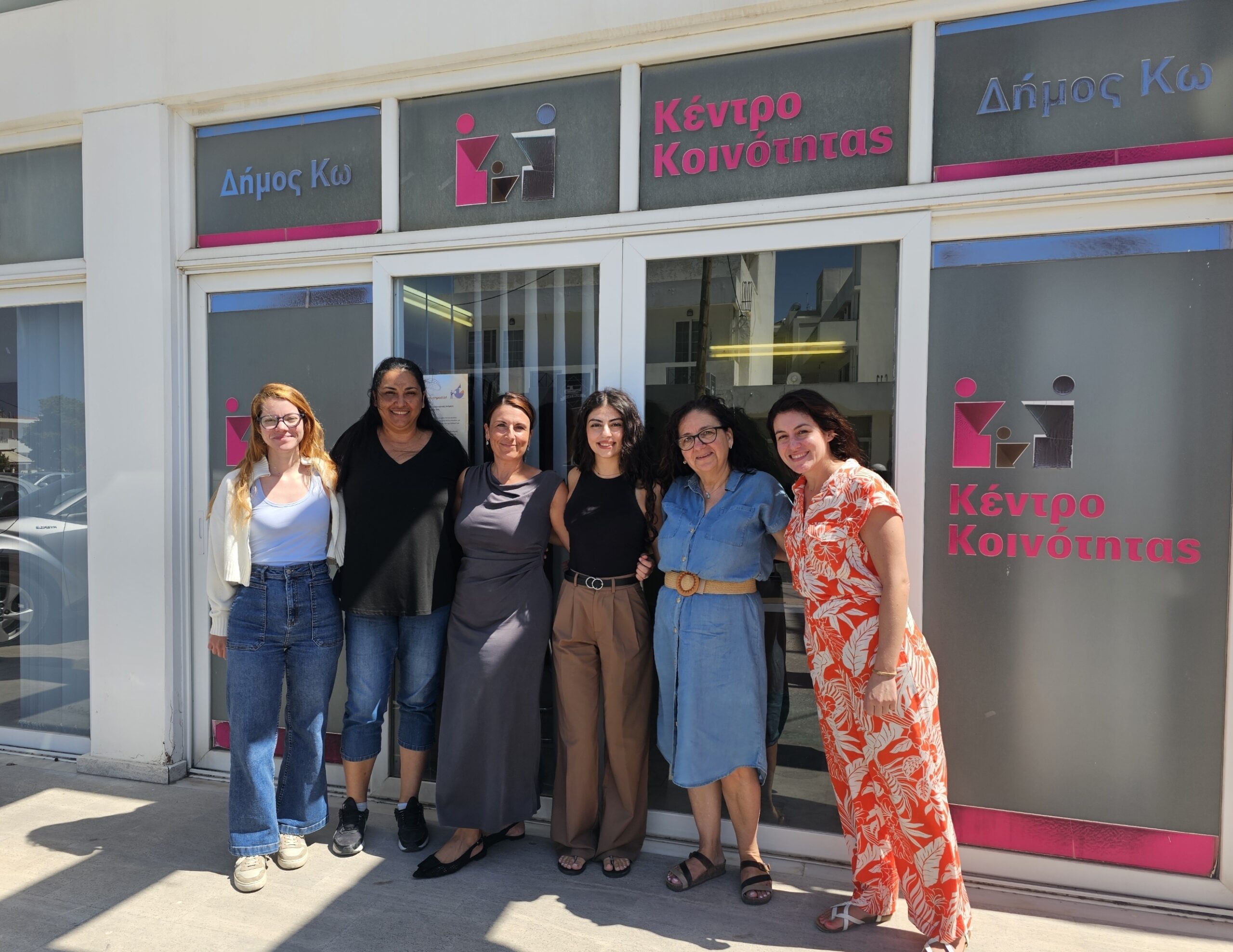
The Social Inclusion Observatory continues for the 6th consecutive year its on-site research in the Municipalities of the South Aegean. This year, the primary objective of the research is the transition from simply mapping social needs to a more complex investigation of local variations, changes, common trends, and the potential for collaborative action against social challenges. Within the framework of the on-site research being conducted in many Municipalities of the South Aegean Region, the field visit to the Municipality of Kos took place on Friday, 04/09/2026. 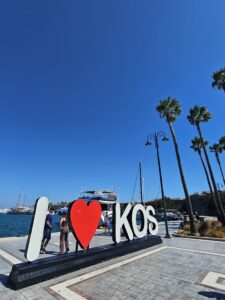
The researcher, Ms. Eirini Tsopanoglou, interviewed Anastasia Kaiserli, an administrative staff member of the Community Center of Kos. The discussion highlighted the scope of daily support provided by the facility to vulnerable groups of the population through administrative assistance, information on benefits and social welfare grants, referrals, and free psychological support. Among the most frequently recorded needs are financial difficulties, housing issues, rent allowances, as well as support for single-parent families, the elderly, and citizens facing difficulties with administrative procedures. Special reference was made to the challenges that increasing digitalization causes for many elderly people, as well as the need to further improve the department’s digital tools. At the same time, the collaboration of the Community Center with the Municipality, the Region, the Citizens’ Service Centers (KEP), the Hospital, and other entities was documented, involving communication and meetings based on the needs of each case. Identified areas that could further enhance the operation of the Center included improving building infrastructure and securing more appropriate workspaces, as well as further strengthening the Community Center by staffing it with professionals of additional specialties. Broader issues regarding residents’ access to necessary medical specialties were also highlighted.
Additionally, an interview was conducted with Ms. Paraskevi Batika, Vice President of the Association ‘Ante Geia ston Karkino’ [Good riddance to Cancer]. During the discussion, the Association’s long-standing work in supporting oncology patients and their families was presented, including financial aid, donations, and information and awareness campaigns, such as the ‘Walk of Life’. The difficulties caused by shortages in the healthcare sector were particularly highlighted, along with the need for patients to travel outside of Kos for specialized examinations and treatments, resulting in significant financial, practical, and psychosocial burdens for themselves and their families. Among the priorities set by the Association is securing accommodation in Athens for patients who need to travel for their treatment. It was pointed out that the Association’s potential relocation, which may become necessary, would create difficulties due to a lack of available and suitable spaces. Overall, the interview highlighted the importance of voluntary contribution and local solidarity in meeting the needs faced by oncology patients and their families. We would like to warmly thank the Community Center of the Municipality of Kos and the Association ‘Ante Geia ston Karkino’ for their participation in the research, the time they dedicated, as well as for their interest and support for the work of the Regional Social Inclusion Observatory.
(Text and photos: Eirini Tsopanoglou)

 Αυτόματος έλεγχος προσβασιμότητας δικτυακού τόπου με βάση το πρότυπο WCAG 2.1 AA και με το εργαλείο “AChecker”